Selecting the Right Equipment
The best equipment for you depends on your current fitness level, training goals, available space and budget. There is no universal "best" piece of equipment — effectiveness comes from consistent, correct use of whatever tools you choose.
If you are new to training, consider starting with minimal equipment and adding items as you develop a consistent routine and identify your preferences. Professional guidance from a qualified trainer can help you select appropriate equipment for your goals.
Equipment Reference Guide
| Equipment | Purpose | Level | Key Considerations |
|---|---|---|---|
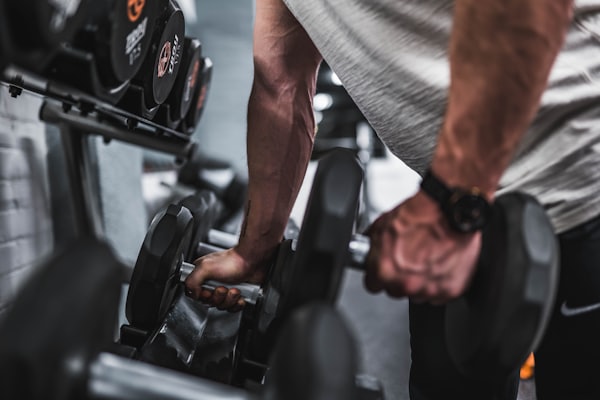
| Adjustable Dumbbells | Full-body strength training | All levels | Space-efficient; replace multiple fixed dumbbells. Start light to practise form. |
| Resistance Bands | Strength, mobility, rehabilitation | Beginner–Intermediate | Very affordable and portable. Multiple resistance levels. Replace when signs of wear appear. |
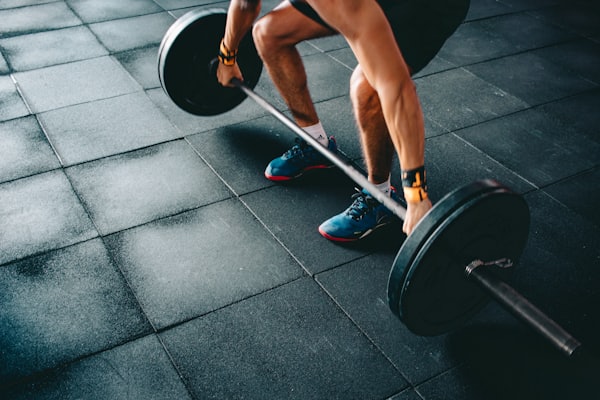
| Olympic Barbell Set | Heavy compound lifts | Intermediate–Advanced | Requires a rack or stands. Significant space and investment. Professional form instruction recommended. |
| Kettlebells | Functional strength, conditioning | Beginner–Advanced | Compact and versatile. Swing and clean movements are technique-dependent; learn with guidance first. |
| Suspension Trainer | Bodyweight resistance training | All levels | Compact and travel-friendly. Anchor point required. Intensity adjustable by body angle. |
| Exercise Mat | Floor exercises, stretching, yoga | All levels | Essential for comfort and hygiene. 6–10 mm thickness recommended for most uses. |
| Rowing Machine | Full-body cardiovascular exercise | All levels | Low impact on joints. Requires technique attention to avoid lower-back strain. Space-intensive. |
| Foam Roller | Self-myofascial release, warm-up | All levels | Affordable recovery tool. Evidence for benefits is generally positive though still evolving. |
| Medicine Ball | Power, rotational training, core | Beginner–Advanced | Available in different weights. Useful for dynamic and partner exercises. |
| Skipping Rope | Cardiovascular fitness, coordination | Beginner–Advanced | Inexpensive and portable. High-impact — may not suit those with joint issues. |
Building a Home Gym
A practical home gym does not require a large outlay. A minimal effective setup might consist of an exercise mat, a pair of adjustable dumbbells and a set of resistance bands. This combination supports a wide variety of exercises across all major muscle groups.
Space Requirements
Allow at least 2 m × 2 m of clear floor space for bodyweight and dumbbell exercises. Hard floors benefit from rubber matting to protect surfaces and reduce noise. Ensure the area is well-ventilated — important for comfort during Australian summers.
Budget Ranges
Entry-level setups (mat, bands, light dumbbells) can be assembled for approximately $80–$150 AUD. Mid-range setups with adjustable dumbbells and a bench typically cost $400–$800 AUD. Comprehensive setups with a barbell, rack and plate set may range from $1,000 to $3,000+ AUD depending on quality and brand. Second-hand equipment can reduce costs but should be inspected for safety.